Siobhan Brocklehurst
New Zealand Pigmyweed (Crassula helmsii), also known as Australian Swamp Stonecrop, is an invasive aquatic plant that has become a significant concern in the UK. Originally introduced in the early 20th century as an ornamental oxygenating plant, it has since spread aggressively across various freshwater habitats.
What Is It?
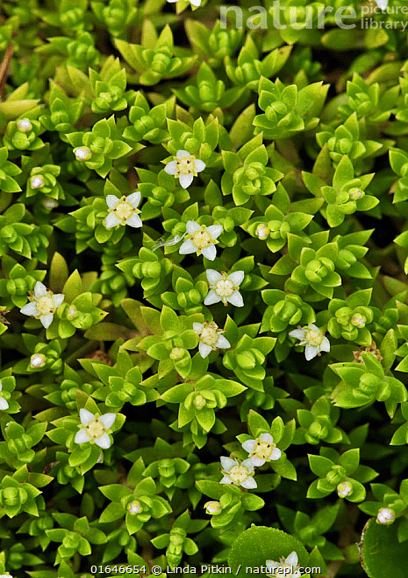
Crassula helmsii is a succulent plant native to Australia and New Zealand. It thrives in a range of conditions, growing submerged, emergent, or on damp terrestrial ground. The plant features small, fleshy, needle-like leaves arranged in opposite pairs along its stems. In late summer, it produces tiny white flowers. Its ability to form dense mats allows it to outcompete native vegetation, leading to reduced biodiversity and altered ecosystem functions.
Why Is It a Problem?
Once established, New Zealand Pigmyweed can dominate ponds and waterways, forming thick carpets that smother native plants and disrupt habitats for aquatic life. Its presence can lead to decreased oxygen levels in the water, affecting fish and invertebrates. Moreover, it poses a threat to protected species like newts by altering their breeding habitats. Due to its invasive nature, Crassula helmsii is listed under Schedule 9 of the UK Wildlife and Countryside Act 1981, making it an offense to plant or cause it to grow in the wild.
Management at New Lount
At New Lount, the Coleorton and New Lount Volunteer Group has been actively managing the spread of New Zealand Pigmyweed in the site’s ponds. Given the presence of protected newt species, the use of machinery or chemical treatments is not permitted. Instead, volunteers conduct regular manual removal of the plant, carefully extracting it by hand to minimize disturbance to the habitat. This ongoing effort requires vigilance, as even small fragments of the plant can lead to regrowth.
How Can You Help?
Stay Informed: Learn to identify New Zealand Pigmyweed and understand its impacts on local ecosystems.
Prevent Spread: Avoid introducing non-native plants into local waterways and ensure that any pond plants you purchase are not invasive species.
Report Sightings: If you spot New Zealand Pigmyweed in the wild, report it to local environmental authorities to aid in monitoring and control efforts.
By staying vigilant and supporting local conservation efforts, we can help protect our native ecosystems from the threats posed by invasive species like New Zealand Pigmyweed.


Leave a Reply