Newsletter
-
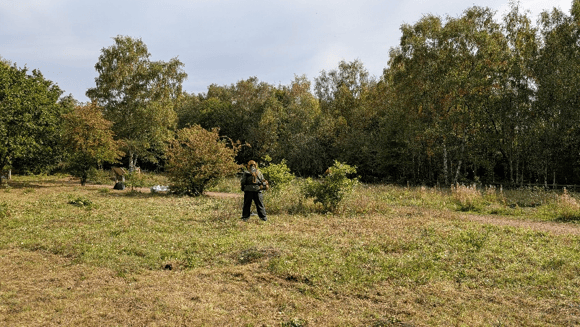
The Issue Explained: New Lount Meadow Management -Keeping it species rich
Siobhan Brocklehurst At first glance, it might seem strange that we regularly cut the grass in a nature reserve. After all, isn’t nature supposed to be left alone? In reality, careful meadow management is essential to maintaining the rich diversity of plants and wildlife that make New Lount so special. The meadow has developed on…
-
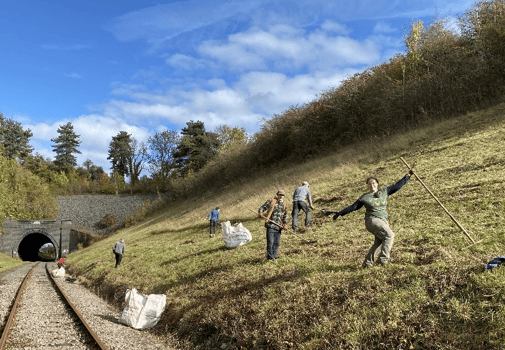
Three Months in Conservation: A Career Change, Field Work, and What I’ve Learned So Far!
In September I started a full-time job as a Conservation Assistant – a career change I’d been working towards for some time. Now that I’ve reached the three-month mark, it feels like a good moment to share what the work is actually like, and how the skills I’m learning feed into the kind of practical…
-
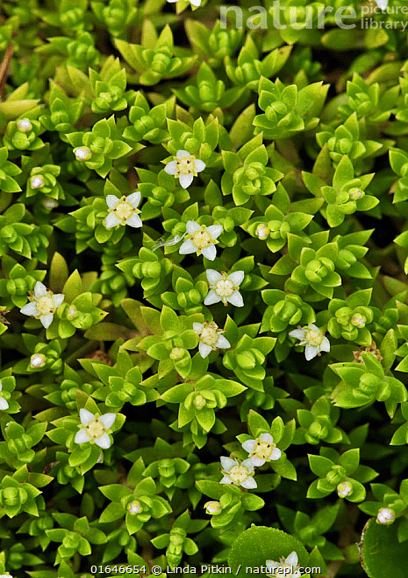
The Issue Explained: New Zealand Pigmyweed – A Persistent Threat to Our Ponds
Siobhan Brocklehurst New Zealand Pigmyweed (Crassula helmsii), also known as Australian Swamp Stonecrop, is an invasive aquatic plant that has become a significant concern in the UK. Originally introduced in the early 20th century as an ornamental oxygenating plant, it has since spread aggressively across various freshwater habitats. What Is It? Crassula helmsii is a…
-
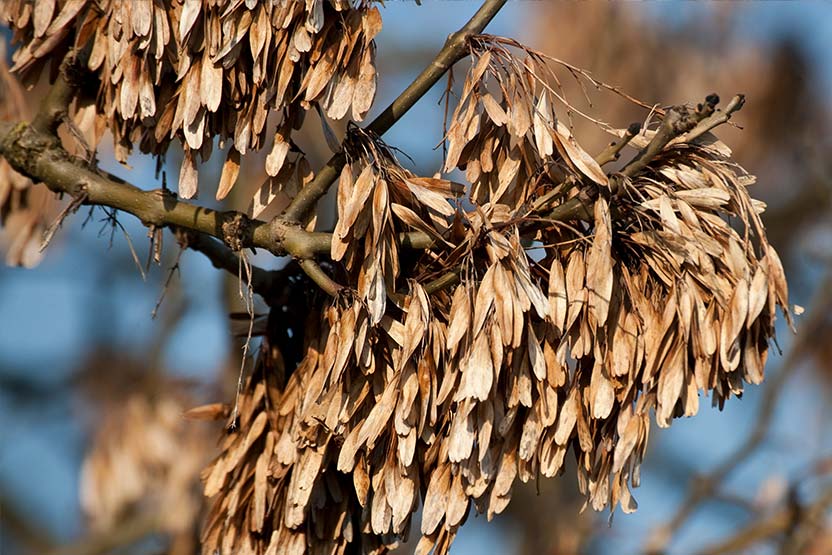
The Issue Explained: What is Ash Dieback?
Siobhan Brocklehurst Ash dieback, caused by the fungus Hymenoscyphus fraxineus, is a devastating disease affecting ash trees across Europe, including the UK. Since its first identification in Poland in the early 1990s, it has rapidly spread, leading to significant ecological and economic impacts. The fungus originates from Asia, where native ash species exhibit resistance. However,…