In September I started a full-time job as a Conservation Assistant – a career change I’d been working towards for some time. Now that I’ve reached the three-month mark, it feels like a good moment to share what the work is actually like, and how the skills I’m learning feed into the kind of practical conservation we do at New Lount and Coleorton.
1. Removing Signal Crayfish and rehoming White Signal Crayfish
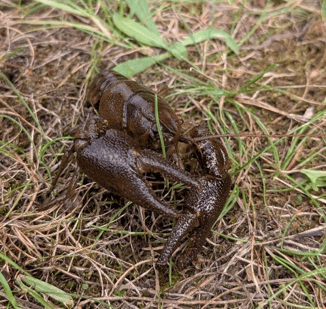
One of my first projects involved removing Signal Crayfish, an invasive species introduced to the UK in the 1970s. They might look harmless, but they cause huge problems: they eat almost anything, undermine pond banks through burrowing, outcompete native crayfish, and worst of all, carry crayfish plague which native White-Clawed Crayfish cannot survive. A few weeks later in the internship I was involved in helping to protect our native White-Clawed Crayfish. I joined the Environment Agency at a site where a threatened population was being carefully removed ahead of planned habitat works. Each crayfish we found was checked, recorded, and then transported to a biosecure facility where they would spend a month in quarantine before being released into a safe site. This experience showed me just how much effort goes into safeguarding a species once it becomes rare: every individual matters, every step has to be biosecure, and every move is part of a much bigger recovery plan. It also reinforced why early intervention is so important at places like New Lount — if invasive species take hold, we end up fighting to save the last remnants of the wildlife that should be thriving. This experience taught me how quickly an invasive species can reshape a pond ecosystem, and why early detection matters. That’s a lesson just as relevant to our ponds at New Lount!
2. Himalayan Balsam: The Endless Pulling Season
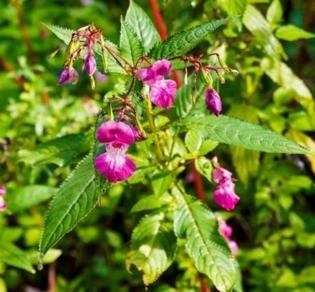
Himalayan Balsam is tall, shallow-rooted, pretty, and utterly destructive. Pulling it is simple but relentless. What I have learned is that balsam management is really about persistence – returning to the same site again and again until you finally outlast the seedbank. It’s a reminder that some of our work at New Lount and Coleorton, whether clearing around ponds or managing vegetation, isn’t glamorous but is essential.
3. Grizzled Skipper Habitat Management
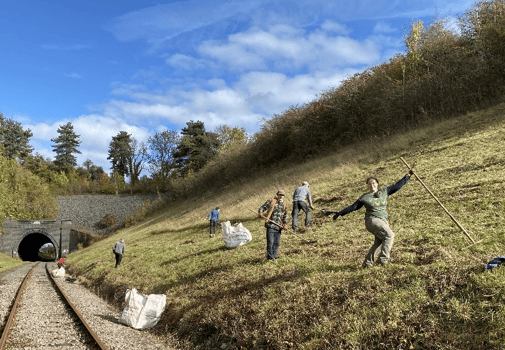
One of the highlights so far has been working on sites for the Grizzled Skipper, a small but charming butterfly that relies on a very specific mix of bare ground, sunny banks, sparse vegetation and low-growing foodplants like creeping cinquefoil and agrimony. It’s been eye-opening to learn how a species’ survival can hinge on exactly the right structure of scrub, grass, and soil. Creating and maintaining that habitat involves clearing patches, reducing shade, and encouraging the right early successional conditions – exactly the sort of habitat work we often do on our volunteer days. This training has made me look at our sites with new eyes: when we clear bramble or open up glades, we’re creating the same “mosaics” of habitat that benefit species like the Grizzled Skipper elsewhere.
4. A Rare Tree: The Black Poplar Project
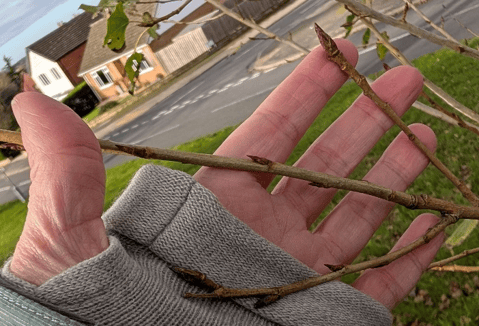
The latest project feels completely different from the mud and brambles of earlier weeks: I’m helping identify Black Poplars, one of the rarest native trees in the UK, with only around 7,000 left in the country. Many of the poplars growing in the landscape today are hybrids, so identifying true Black Poplars is important for conservation and genetic monitoring. Next week I’ll be visiting mapped trees, taking samples, and sending them for DNA analysis. It’s a fascinating mix of fieldwork and science, and proof that conservation isn’t just about pulling things up, but also about understanding and protecting the things we want to keep.
What These Three Months Have Taught Me
Changing career to work in conservation has been challenging, messy, rewarding, and occasionally freezing cold — but absolutely the right decision. I’ve learned how varied the fieldwork can be, how quickly landscapes change without management, how vital volunteers are in keeping sites in good condition and how every task, from pulling balsam to opening up scrub, fits into a much bigger picture.
Most of all, I now see our work at New Lount and Coleorton in a new light. The skills I’m gaining elsewhere – identifying habitat conditions, spotting invasive species early, understanding the needs of priority species – feed directly into the conservation we do locally.
It’s only been three months, but I’m already excited to see where the next stages of this new career take me!
Siobhan Brocklehurst


Leave a Reply