(February 19, 2026) https://nottsbag.org.uk/2026/02/19/heathland-a-sherwood-treasure-in-nottinghamshire/
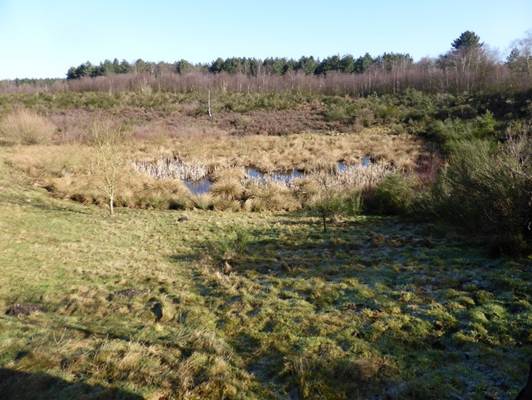
Heathlands are among the UK’s most distinctive and threatened habitats – wild, open landscapes defined by poor, sandy, acidic soils and carpets of heather. Once widespread across the Sherwood Sandstones, these habitats are now fragmented, but their cultural and ecological importance remains immense. Nottinghamshire is a great place for heathland, and nowhere is this more evident than in the historic landscape of Sherwood Forest.
What Is Heathland?
Heathlands form on nutrient‑poor, acidic soils, often dominated by heather species, gorse, and acid grassland. Historically, large swathes of Sherwood Forest were covered in heath, and though Nottinghamshire has lost 80% of its lowland heathland since 1800, important remnants still survive and are the focus of major restoration efforts.
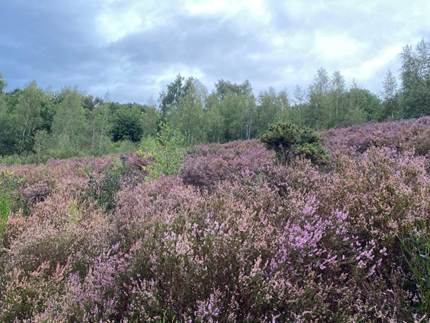
These rare habitats are internationally significant. Britain supports roughly a fifth of the world’s lowland heath. Their mosaic of dry heath, wet heath, acid grassland, and scattered birch or oak makes them ecologically rich and characteristic of lowland England.
A Characteristic Part of Sherwood Forest
Sherwood Forest’s heaths are some of the county’s most iconic habitats. Sites like Sherwood Heath SSSI, near Ollerton, preserve fragments of the ancient forest’s open, purple expanses of heather and gorse, alive in early autumn with colour and the hum of insects. They are actively managed to restore traditional heathland flora and fauna, bringing back species such as bell heather, ling, and cross‑leaved heath to their former abundance.
These heaths are also central to landscape‑scale conservation projects, with organisations like the Sherwood Forest Trust, RSPB and the Nottinghamshire Wildlife Trust working to protect and reconnect historic heathland areas.
How to Identify Heathland: Key Species to Look For
When you step onto a heath, its species quickly reveal the habitat’s identity. Some of the classic indicator species include:
Characteristic Heathland Plants
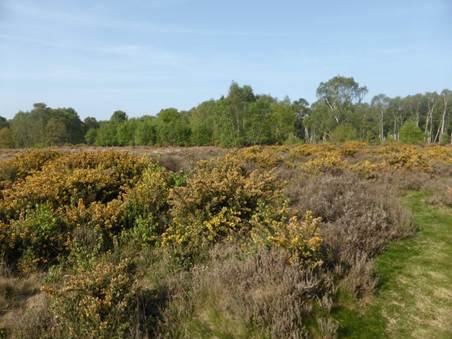
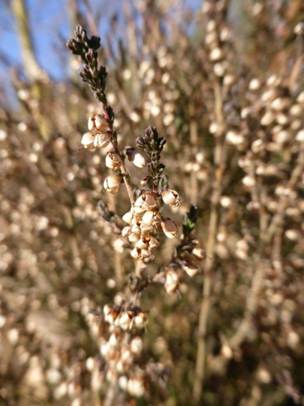
- Heather (Calluna vulgaris) – the defining plant of heathland, colouring the landscape purple in late summer.
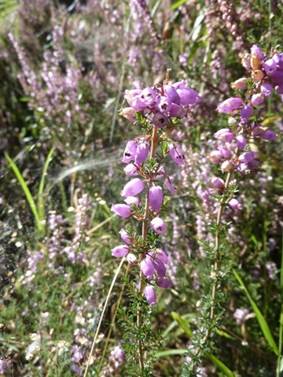
- Bell heather (Erica cinerea)& Cross‑leaved heath (Erica tetralix)– also typical of Sherwood Forest’s sandy soils.
- Bilberry (Vaccinium myrtillus) – a low shrub with blue‑black berries, common on acidic soils.
- Dwarf Willow (Salix herbacea) – a tiny, ground‑hugging willow found in patches of open heath.
- Gorse – (Ulex europaeus) its bright yellow flowers and coconut scent are hard to miss.
Specialist Insects
Heathlands are home to many distinctive species. In Nottinghamshire, these include:
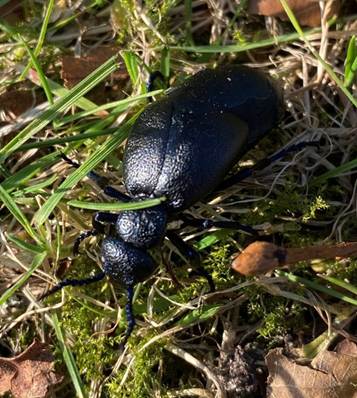
- Black Oil Beetle (Meloe proscarabaeus) – a remarkable species with a bizarre life cycle involving parasitic larvae. Heathland edges and paths are ideal places to spot the adults.
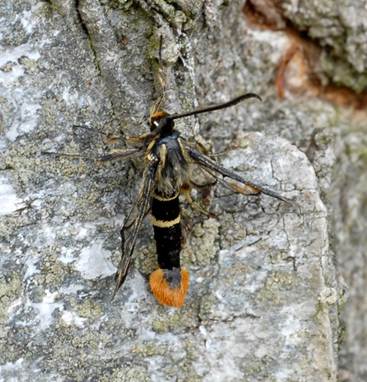
- Welsh Clearwing Moth (Synanthedon scoliaeformis) – a scarce species associated with birch, linked to the mosaic of heath and woodland typical of the Sherwood landscape.
- Glow‑worm (Lampyris noctiluca) – which thrive in open heathland at sites like Neutral Ground, where restoration increased females from just 1 in 2021 to 25 in 2023.
Other Wildlife
Heathlands in Sherwood also support:
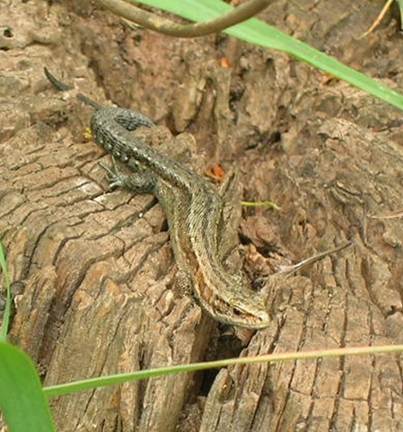
- Common lizards and Slow worms that bask in the open sandy patches.
- Nightjars and woodlarks, which depend on low vegetation and open ground for nesting—species of national importance on Nottinghamshire’s heaths.
- Stoats, voles, and numerous moth and butterfly species, all tied intimately to the structure and plant life of the habitat.
All of these create a vibrant, interdependent community that can only exist where heathland is protected and maintained.
Why Heathlands Matter
Heathlands are beautiful, irreplaceable ecosystems created through thousands of years of traditional land use. Many of their species cannot survive in other habitats, making their conservation vital. In Nottinghamshire, where these landscapes once dominated but are now rare, their protection is a key part of preserving the county’s natural heritage.
Sherwood’s heaths also connect communities with a living landscape that stretches back to medieval times, which reminds us that wildness can survive in even the most historic of places.
Where to Learn More About Nottinghamshire’s Heathlands
Here are some excellent resources where you can dive deeper:
- Sherwood Forest Trust – Heathland Projects
https://sherwoodforest.org.uk/projects/sherwoods-no-longer-forgotten-heathlands/ - Sherwood Heath SSSI (Newark & Sherwood District Council)
https://www.newark-sherwooddc.gov.uk/sherwoodheath/ - Nottinghamshire Wildlife Trust – Champions of Sherwood
https://www.nottinghamshirewildlife.org/champions-sherwood-more
Siobhan Brocklehurst


Leave a Reply