Siobhan Brocklehurst
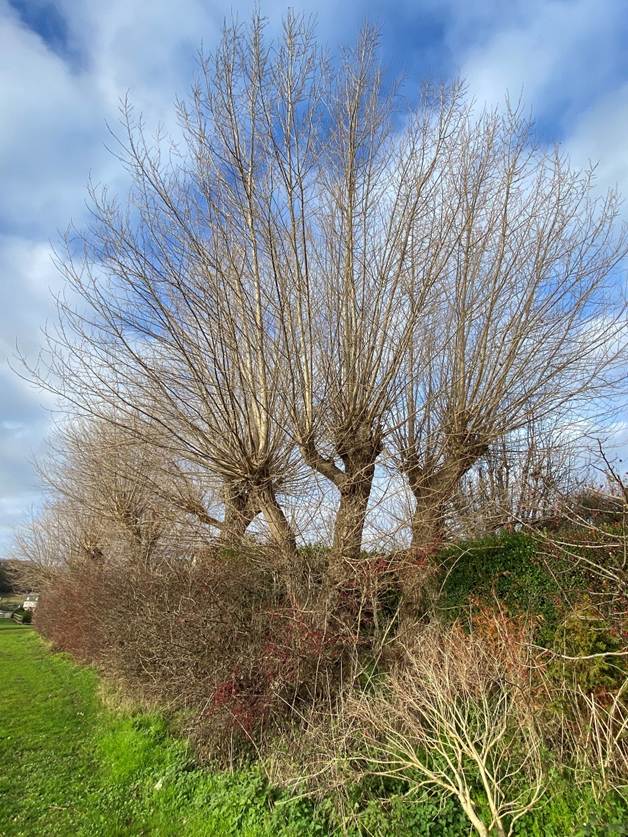
The Black Poplar (Populus nigra subsp. betulifolia) is one of Britain’s rarest native trees. Historically, these trees thrived along lowland river floodplains, but land drainage, urbanisation, and canalisation have confined them to scattered remnants. Once valued for timber—used in building construction, wagon bottoms, rifle butts, and even flooring near fireplaces because of its fire resistance—the decline in these uses meant few were planted recently. Today, most remaining specimens are between 100 and 200 years old, and natural regeneration is virtually absent due to habitat loss and skewed gender ratios. Fewer than 7,000 mature individuals survive nationally, and possibly as few as 2,500, with females making up less than 10% of the population.
Its Existence in Nottinghamshire
In Nottinghamshire, Black Poplars are mainly found in Greater Nottingham, Mansfield, and south Rushcliffe. However, many of these trees are hybrids planted as shelterbelts, and only a tiny proportion are mature or semi-mature trees growing in natural or semi-natural locations. Just eight confirmed non-hybrid females are known in the county, though more may exist.
To address this, local conservation partners—including the Environment Agency, Nottinghamshire County Council, and Sherwood Forest Trust—have set up initiatives such as DNA testing, nursery propagation, and habitat restoration. These efforts aim to increase native populations, plant more female trees, and maintain old specimens through careful management. Misidentification is common because hybrids and non-native poplars look similar. DNA analysis is the only definitive way to confirm whether a tree is truly native, and this knowledge is crucial for guiding conservation efforts.
Recent Fieldwork
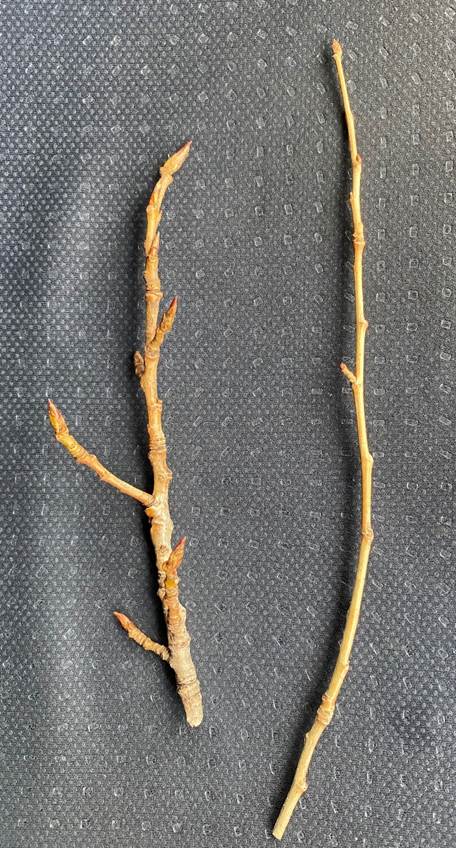
Last week, our team ventured across Rushcliffe to collect 12 samples from 12 different Black Poplar trees as part of this exciting conservation project. This work is part of a wider effort across Nottinghamshire, with the Environment Agency also collecting samples from other areas. In January, the DNA results will reveal which trees are genetically native—a crucial step in protecting this rare species.
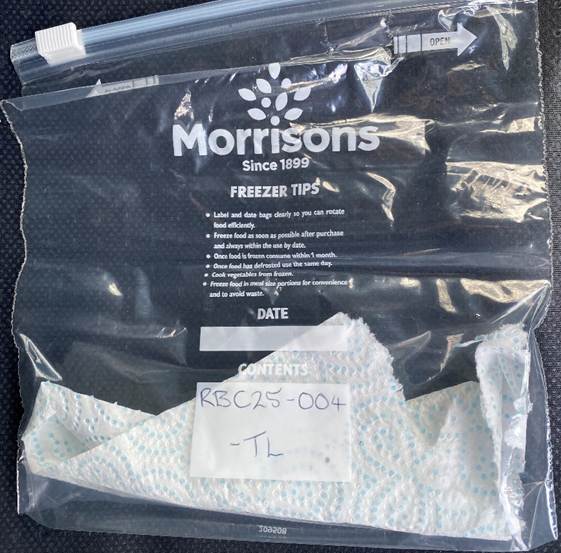
Before taking any samples, we gained permission from each landowner. From every tree, we clipped a 15–20 cm cutting with a live bud, wrapped it in damp kitchen towel, and sealed it in a freezer bag. These were then posted to the Forestry Commission’s lab in Scotland for genetic testing. It’s a simple but vital process that ensures accurate identification.
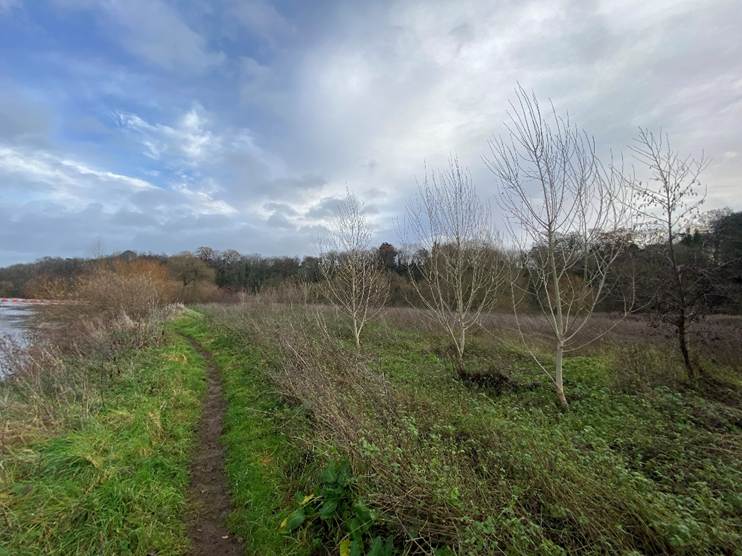
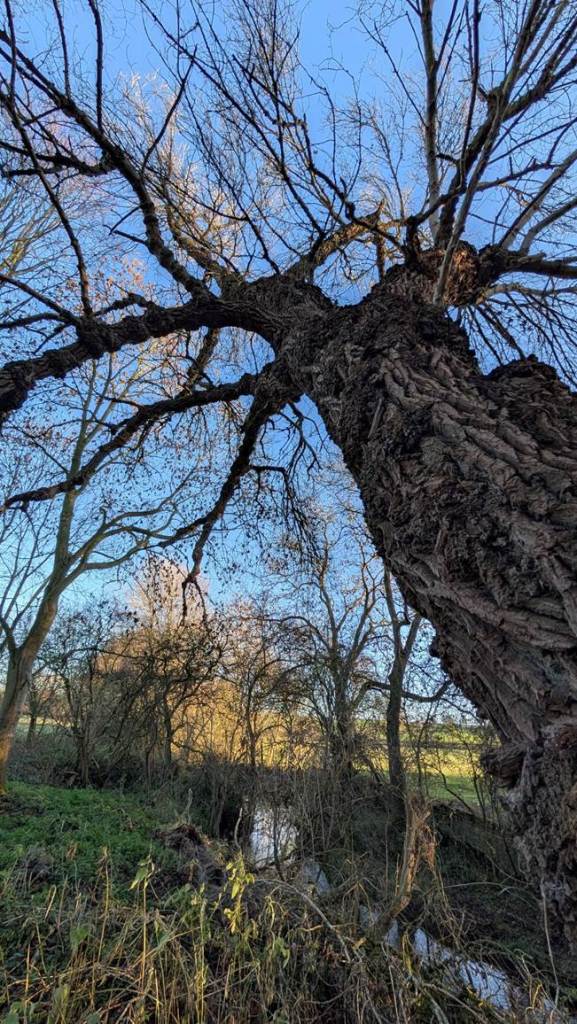
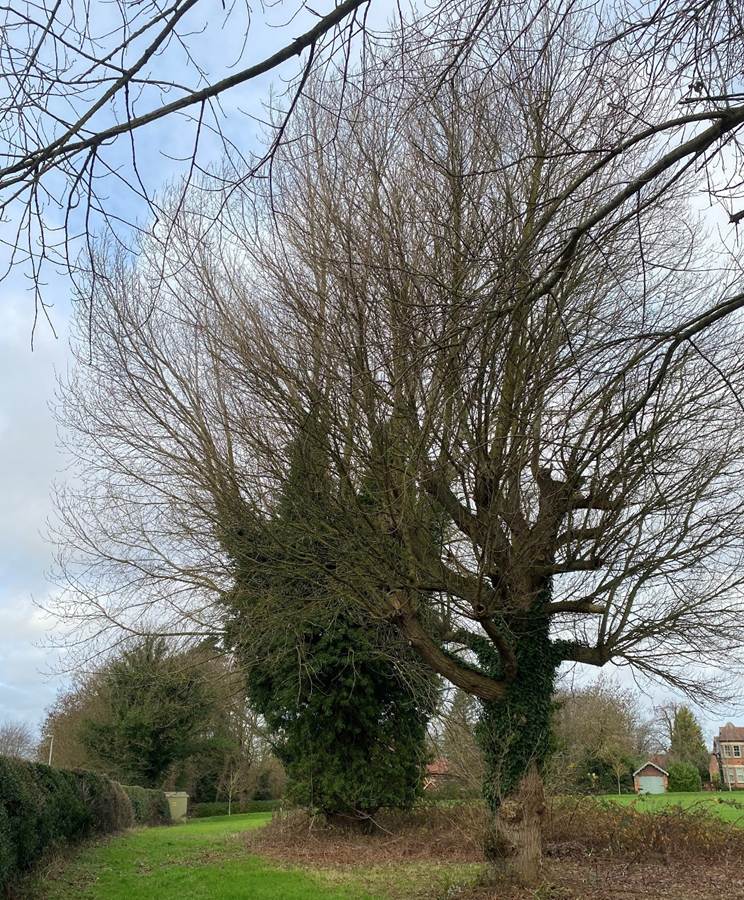
The trees surveyed and sampled were varied in age, including some 4 – 5 year old saplings from Radcliffe-on-Trent, and some significantly mature 80 year old individuals from Widmerpool, both of which we hope both will prove to be native. If confirmed, these trees could represent an important genetic resource for future planting and restoration.
The Bigger Picture
Despite its rarity, the Black Poplar currently has no official protection order in the UK. Yet it plays a vital role in supporting biodiversity, providing food for over 35 species of British moths and other invertebrates. Conservation efforts in Nottinghamshire alongside DNA testing, include targeted planting, and habitat restoration to secure the species’ future.


Leave a Reply