Siobhan Brocklehurst
At first glance, it might seem strange that we regularly cut the grass in a nature reserve. After all, isn’t nature supposed to be left alone? In reality, careful meadow management is essential to maintaining the rich diversity of plants and wildlife that make New Lount so special. The meadow has developed on a thin layer of soil over the site’s old concrete base, which produces shallow, nutrient-poor conditions ideal for a range of wildflowers to thrive.
Our meadow is species-rich, developed over many years through traditional land management. Without this intervention, the meadow would gradually change: coarse grasses would dominate, followed by scrub and eventually woodland. While woodland is valuable in its own right, we would lose the unique community of plants and insects that depend on open grassland conditions.
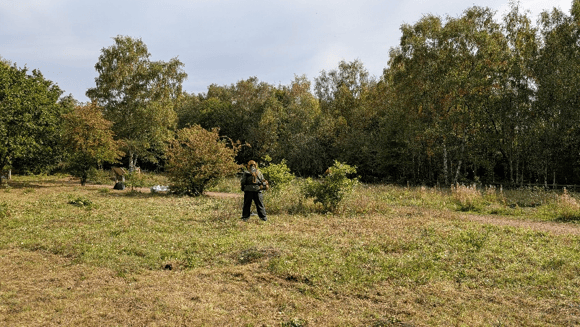
Why do we cut the grass?
Cutting the meadow once or twice a year mimics the traditional practices of haymaking or grazing. This helps to keep fast-growing grasses and aggressive plants in check, preventing them from outcompeting more delicate wildflowers. This is especially important for species such as Common Toadflax, which thrives in low-nutrient, less competitive environments. Without cutting, these plants would quickly be shaded out and disappear. Timing is also key: we usually wait until late summer, once most wildflowers have had a chance to flower and set seed. This ensures the next generation of plants can establish and continue the cycle.
Why do we remove the cut grass?
One of the most important steps in meadow management is removing the cuttings. If the cut grass were left on the ground, it would decompose and return nutrients to the soil. While this might sound beneficial, it actually encourages the growth of dominant grasses and weeds. By removing the cuttings, we gradually reduce soil fertility. This creates the perfect conditions for a wider variety of wildflowers to flourish, including the orchids that are such a highlight of the reserve. Lower nutrient levels mean less competition, allowing a more diverse and balanced plant community to develop.
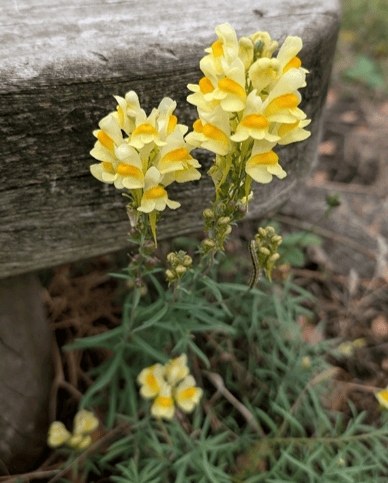
Benefits for wildlife A well-managed meadow supports far more than just plants. The variety of flowers provides nectar and pollen for bees, butterflies, and other pollinators. In turn, these insects support birds and other wildlife higher up the food chain. The structure of the meadow – shorter grass after cutting, followed by regrowth – also creates a mix of habitats. This variation is important for different species, offering places to feed, shelter, and reproduce.
A continuing process
Meadow management is an ongoing process. Each year of cutting and removing the grass helps maintain the delicate balance that allows biodiversity to thrive. So next time you see volunteers hard at work cutting and clearing the meadow, you’ll know that this is not about tidying up – it’s about carefully supporting a rich and vibrant habitat for the future.
Siobhan Brocklehurst


Leave a Reply